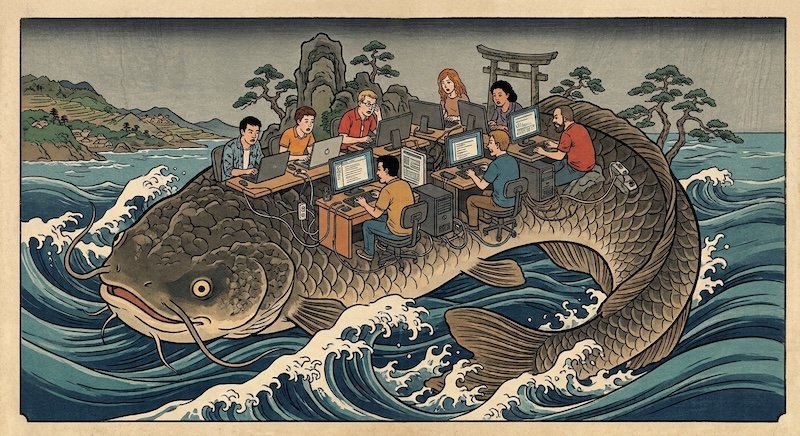
On a number of occasions, I have proposed the use of prediction markets for policy refinement and decisions, an idea that has long been studied in corporate and academic arenas. Unexpectedly, the startup set was busy turning the concept into just another gambling experience, rewarding influencers and insiders while fleecing the masses. But I want to revisit the idea in light of the mid-term “blue tsunami,” post “meteor-strike extinction event.” There are new opportunities to repair the damage of Trumpism as well as create policy structures to reestablish norms for government interaction.
First, populism and protectionism don’t solve problems, they exacerbate them and steamroll common sense. We see this in the broad use of tariffs and the inverted logic and emotional appeals that accompanied their application. Instead, this is a topic best left to technocrats finding solutions to political and economic problems, which means using tariffs in a narrow fashion to specifically address asymmetries in trade between nations. We are not going to correct Chinese industrial overcapacity by taxing Americans, for instance, but we can focus on those areas of trade imbalance that impact national security in a targeted fashion. Using tariffs to enhance industries like the automotive sector is fine on the surface, but it can also raise domestic product prices by eliminating or weakening competition. The technocrats can model all this and should offer politicians a collection of policy responses with well-articulated risk-reward matrixes.
There are a clutch of political meta-theories that are conjoined as epistemic democracy and that focus on how knowledge and information flow into democratic decision making. A fundamental question is how to choose who should do the governing in terms of solving problems of thriving?… Read the rest