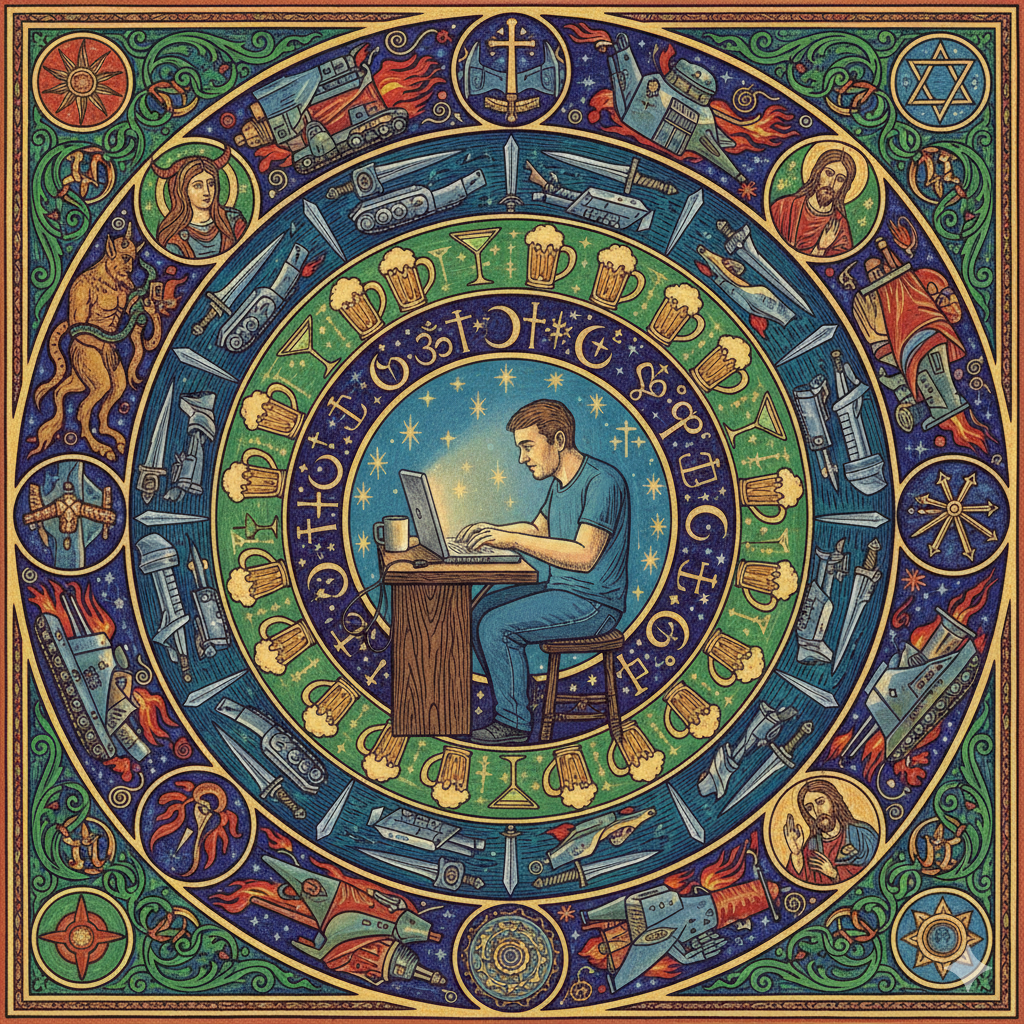
Shriekings and Windings

I like to critique intellectual history—more the armchair type than the academic varietal—because it often reflects the open biases of the commentator rather than having been developed by a neutral analysis of the past and its relationship to our pending futures. So when I read about Husserl’s ideas of geometry and Galileo or the relative merits of Adam Smith’s The Theory of Moral Sentiments, I leave the critical analysis to the experts, equipped as they are with the proper academic insights. But columnists are not generally subject-matter experts, just enthusiasts who are driven by profession to justify their insights and prognostications by reference to history and ideas. And they substitute biases for depth far too often. This is true again today, with Leighton Woodhouse’s op-ed in The New York Times, “Donald Trump: Pagan King.” It begins gently enough, with a quote by Canada’s Mark Carney from Thucydides about power in international relations, but then quickly dissolves into an unsupportable argument about how Christianity was uniquely civilizing of the pagan world by introducing all the positive morals that we associate with the gentler, humbler aspects of the religion, mostly on the back of a single source.

This through line is embarrassed by the theology, history, and facts of how Western civilization matured, as I and hundreds of other commentators pointed out (this chestnut is getting repetitive, too). This is not meant to rob Christianity of its influence in the last two thousand years, just to temper it responsibly and note that however one scopes “paganism,” Enlightenment rationality, high and low, shared aspects of pagan forms of thinking, and was clearly influenced by it as we move into the formative phase of the modern state period and formulations of democracy.… Read the rest
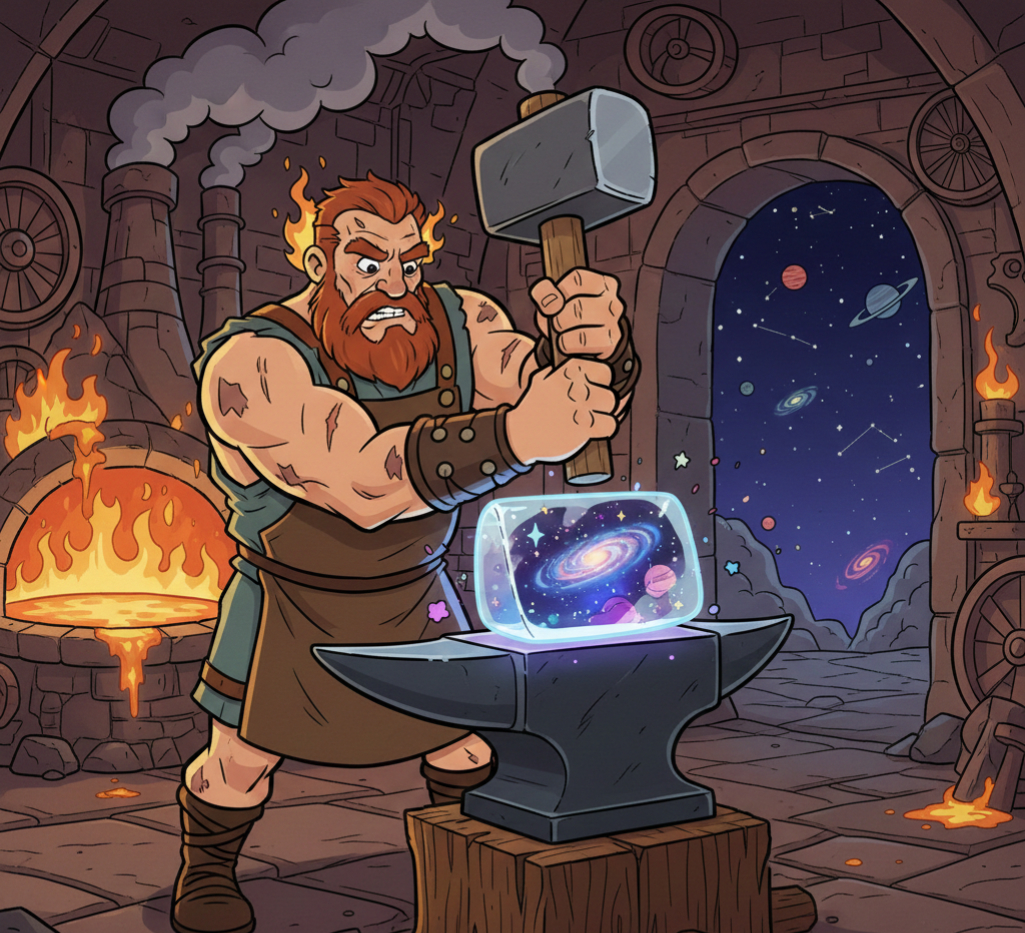
Imagining Transparent Iron and Other Crazy Things

There are some real doozies of arguments that have tied up religious and philosophical thinkers for centuries. Take the Kalam Cosmological Argument or the Ontological Argument. In both of these arguments there is a required reduction of the properties of the universe (or cosmos) to some kind of skeletal representation. In Kalam (and variants) there are assumptions built into the idea of nothingness, for instance, that have no relationship to what we know about the actual cosmos now—specifically that there is no example of such a thing; even in vacuums there are pervasive quantum fields and we have no clear scientific evidence or theories that point to a “philosopher’s nothingness.” In the Ontological Argument, there is the assumption that possibility and existence are inherently combined together, regardless of whether we are talking about a concept of God or a real thing in or supporting the existence of the cosmos. Another example of this philosophical craziness is in the modal argument for the existence of philosophical zombies, where there are people just like us in every way but lacking a phenomenal experience of being conscious beings.

There is a category of thought called “modal skepticism” that argues we should be cautious about making assumptions about things extremely outside of ordinary experience. Whether it’s gods or nothingness or consciousness, the trouble arises when trying to sketch out the properties that apply to these things. Even before modal logic in its modern form, Kant argued that existence is not a predicate and therefore the existence of God can’t be contained in an a priori definition of God. We are making an incorrect assumption. In Kalam, nothingness is not definable in a way that meaningfully separates it from a posteriori discoveries about the cosmos, where it does not seem to exist.… Read the rest