 Combining aspects of the previous posts, what proximate mechanisms might be relevant to the notion of artistic fitness? Scott Barry Kauffman at www.creativitypost.com rounds up some of the most interesting recent research and thinking on this topic in his post, Must One Risk Madness to Achieve Genius?
Touching on work by luminaries like Susan Blackmore and others, Scott drives from personality assessment concepts down through the role of dopamine in trying to identify whether there is a spectrum of observable traits that are linked to creativity and artistic achievement.
Notable:
Daniel Nettle and Helen Clegg found that apophenia was positively related to a higher number of sexual partners for both men and women, and this relationship was explained by artistic creative activity. Similarly, in a more recent study conducted by Helen Cleff, Daniel Nettle, and Dorothy Miell, they found that more successful male artists (who are presumably higher in apophenia) had more sexual partners than less successful male artists.
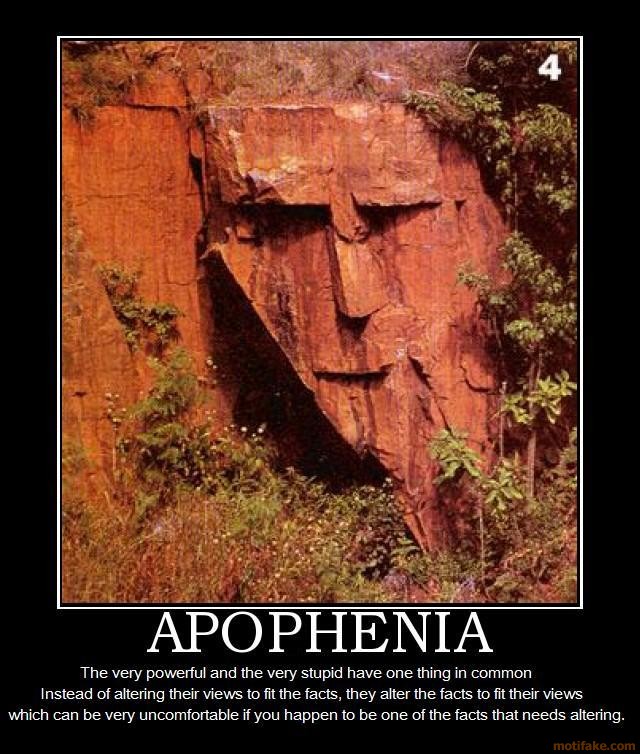
Apophenia means seeing patterns in the environment where none may be present, a central theme in my second novel, Signals and Noise.
We can hypothesize also, based on the distribution from schizophrenia through schizotypy, through to “normal,” that there must be a large complement of interacting genes involved in these traits. This is supported by the evidence of genetic predispositions for schizophrenia, for instance, but also by the frustrating lack of success in identifying the genes that are involved. This distribution may, in fact, be one of the most critical aspects of what it means to be human:
… Read the restWere it not for those “disordered” genes, you wouldn’t have extremely creative, successful people. Being in the absolute middle of every trait spectrum, not too extreme in any one direction, makes you balanced, but rather boring.